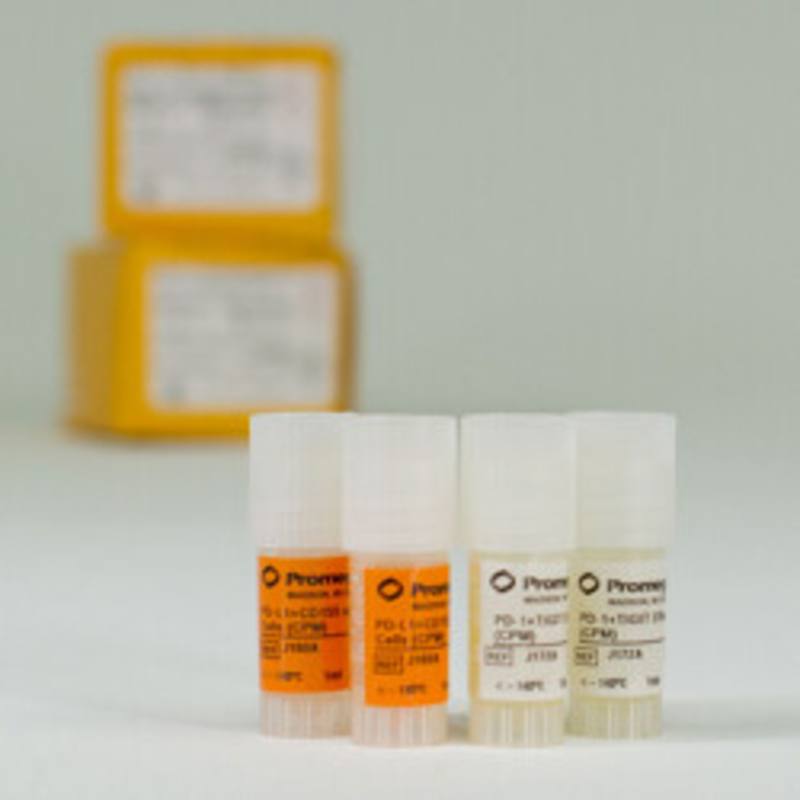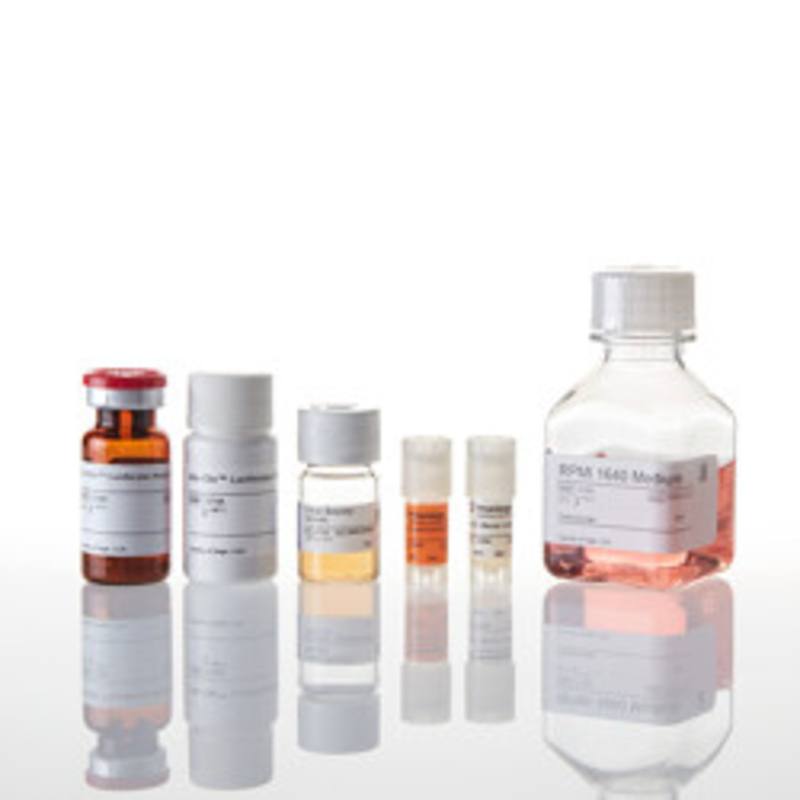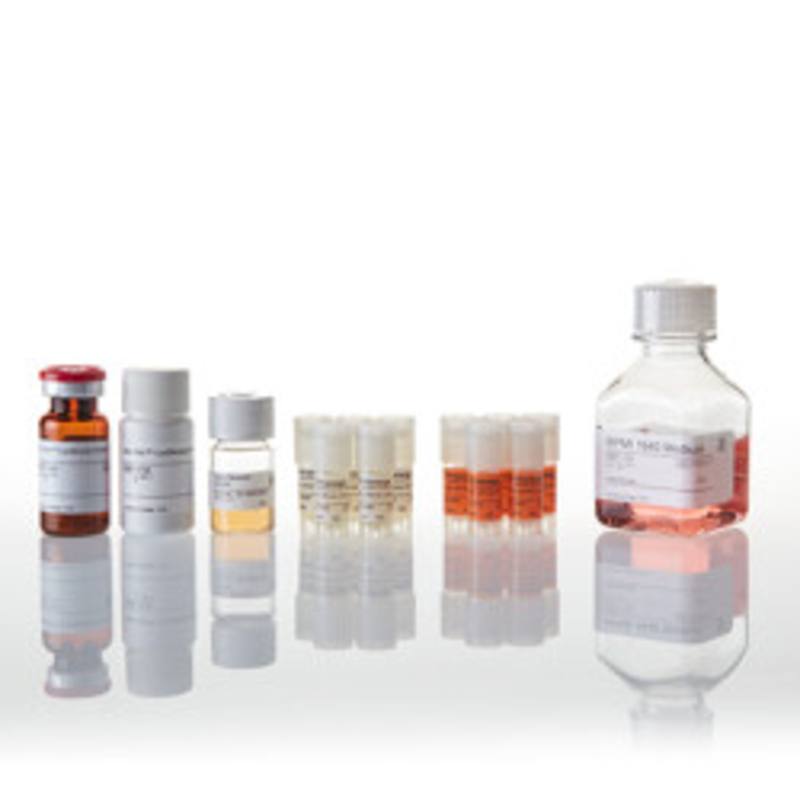


PD-1 + TIGIT Combination Bioassay
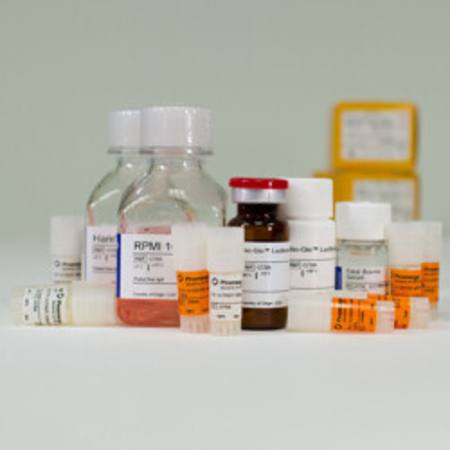
PD-1, also known as CD279, is an immune checkpoint receptor expressed on T and B lymphocytes following activation. Engagement of PD-1 by either of its ligands, PD-L1 (B7-H1) or PD-L2 (B7-DC), directly inhibits T cell receptor (TCR) signaling, leading to reduced cellular proliferation and cytokine production. TIGIT, also known as WUCAM and Vstm3, is an immune checkpoint receptor expressed on lymphocytes. TIGIT has several distinct mechanisms of action that inhibit lymphocyte activation. The PD-1+TIGIT Combination Bioassay reflects the mechanism of action (MOA) of biologics designed to block the PD-1/PD-L1 and TIGIT/CD155 interactions. PD-1+TIGIT Combination Bioassay, Propagation Model, is a biologically relevant MOA-based assay that can be used to measure potency and stability of antibodies and other biologics designed to block the immune checkpoint signals. It allows propagation and banking of the PD-1+TIGIT Effector Cells.